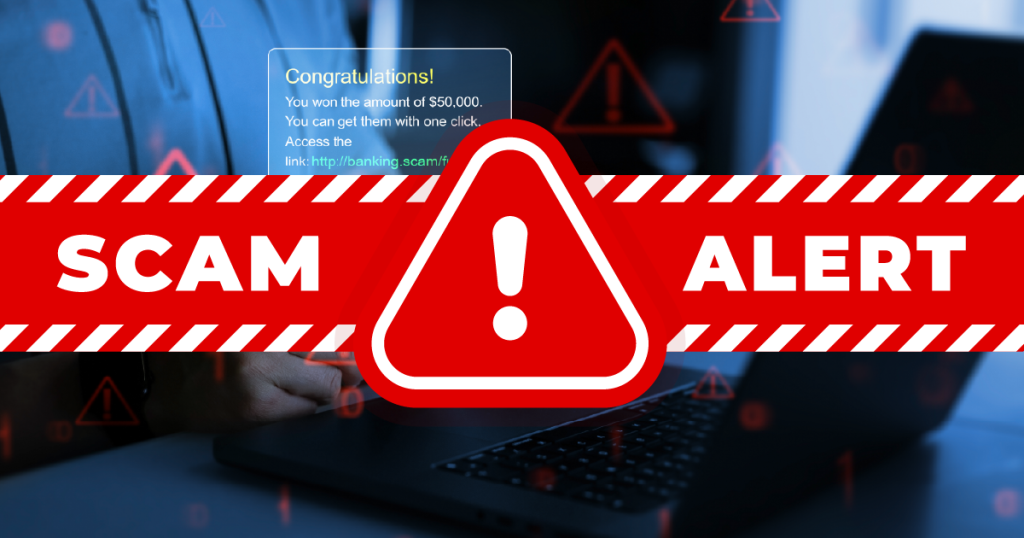
We’ve been alerted there has been a rise in phishing emails impersonating insurance companies.
Subject lines being used:
“Garmin dash cam”
“Claim your free Garmin Dash cam now”
“Urgent Notice For “user’s name”: You’ve Won a FREE Garmin Dash Cam from Intact Insurance!“
“Notification for “user’s name”: Congratulation! You’ve Been Selected to Win a Free Garmin Dash Cam – Confimation Needed”
If you receive a phishing email, please do not click on any link or attachments; do not reply to it and notify us as soon as possible.
How to spot fake emails that look like they are from your insurance company
Emails by scammers impersonating companies are becoming more frequent and harder to spot. Canadians lost an estimated $544 million to online scams in 2025 according to the Canadian Anti-Fraud Centre but only an estimated five to 10 percent are properly reported to authorities. Learn the signs of fraudulent emails and sites to help protect yourself and your information from falling into the wrong hands.
Common Fraud Tactics
Known more widely as “phishing”, scammers will send an email disguised as one from the company itself – i.e. your insurance, bank, phone company, etc. – asking you to act immediately because they need to verify your information or you’ve won a contest or prize. By clicking on their link, you will be directed to a fake site and asked to enter your login or information which they can then use to change and lock you out of your account and steal more personal information.
Here are some red flags to look for to determine whether an email is real or a scam:
- Email address – Looking at the email address the message came from can be an immediate giveaway of the email being a scam; Check if the domain name or end part of the address is generic instead of being ‘@[companyname].com’ and the beginning part is a jumble of letters and characters.
- Subject line – Scammers use panic as a tactic to incite action and get your attention by using taglines like “URGENT!” or “ACCOUNT SUSPENDED” or “Congratulations! You’re a winner!”.
- Content – Your bank, phone provider, insurance and other companies will NEVER ask for your pin, password, social security number, credit card number, or other personal information. Be aware of asking for unusual action like verifying these things through unsolicited emails or texts.
- Requests – If the message is asking you to send money, gift cards, or remotely access your computer or mobile device, especially to fix your account, it is a scam.
- Typos – Read through emails carefully for typos, poor grammar, random capitalization, and strange punctuation; Everything from misspelling of names to awkward spacing before and after periods or between words.
- Contests and surveys – Have you won a contest you don’t remember entering or have been ‘specially selected’ for a survey and a chance to win a prize? While we all love to win, scammers recognize people will easily give up their information for something free like a prize.
- Images – Logos, buttons, and other graphics can look distorted, pixelated, or be slightly the wrong colour and out of place. Low quality images are a good indicator that the email is a fake.
Protecting Yourself and Your Information:
If you suspect you’ve received an email scam, call the number on the back of your card, policy, most recent bill, company representative or contact the company directly through their official website for help reporting it. You can also log into your account using the proper website URL to check for any suspicious activity or account flags – NEVER follow a link you receive via phone call, email, or text message.
Other steps you can take to protect yourself include:
- Choosing unique and different passwords for every account by including numbers and special characters; don’t use names or dates (like birthdays) that are easy to guess.
- Not clicking unfamiliar links; if it seems too good to be true or you don’t regularly get emails like the one you received from the company, don’t click on it.
- Using and bookmarking official websites for reuse to prevent mistyping in an address.
- Enabling multi-factor authentication and alerts to monitor activity.
- Being mindful of when bills are due or accounts renew; knowing when to expect notices can make it easy to identify phishing emails if the timing doesn’t line up or you know it has been paid.
With four out of five Canadians receiving fraudulent emails, recognizing the hallmarks of a scam can help protect you and your loved ones. Have conversations with children, teens, and seniors to make sure they are aware of the signs as scammers often target these more vulnerable populations.
Report scams and fraudulent emails to the Canadian Anti-Fraud Centre online or by calling 1-888-485-8501. If your financial information has been shared or compromised, alert your bank immediately. Police reports should also be filed if you have lost money to help investigators track regional trends.